/** * REST API: WP_REST_Post_Types_Controller class * * @package WordPress * @subpackage REST_API * @since 4.7.0 */ /** * Core class to access post types via the REST API. * * @since 4.7.0 * * @see WP_REST_Controller */ class WP_REST_Post_Types_Controller extends WP_REST_Controller { /** * Constructor. * * @since 4.7.0 */ public function __construct() { $this->namespace = 'wp/v2'; $this->rest_base = 'types'; } /** * Registers the routes for post types. * * @since 4.7.0 * * @see register_rest_route() */ public function register_routes() { register_rest_route( $this->namespace, '/' . $this->rest_base, array( array( 'methods' => WP_REST_Server::READABLE, 'callback' => array( $this, 'get_items' ), 'permission_callback' => array( $this, 'get_items_permissions_check' ), 'args' => $this->get_collection_params(), ), 'schema' => array( $this, 'get_public_item_schema' ), ) ); register_rest_route( $this->namespace, '/' . $this->rest_base . '/(?P[\w-]+)', array( 'args' => array( 'type' => array( 'description' => __( 'An alphanumeric identifier for the post type.' ), 'type' => 'string', ), ), array( 'methods' => WP_REST_Server::READABLE, 'callback' => array( $this, 'get_item' ), 'permission_callback' => '__return_true', 'args' => array( 'context' => $this->get_context_param( array( 'default' => 'view' ) ), ), ), 'schema' => array( $this, 'get_public_item_schema' ), ) ); } /** * Checks whether a given request has permission to read types. * * @since 4.7.0 * * @param WP_REST_Request $request Full details about the request. * @return true|WP_Error True if the request has read access, WP_Error object otherwise. */ public function get_items_permissions_check( $request ) { if ( 'edit' === $request['context'] ) { $types = get_post_types( array( 'show_in_rest' => true ), 'objects' ); foreach ( $types as $type ) { if ( current_user_can( $type->cap->edit_posts ) ) { return true; } } return new WP_Error( 'rest_cannot_view', __( 'Sorry, you are not allowed to edit posts in this post type.' ), array( 'status' => rest_authorization_required_code() ) ); } return true; } /** * Retrieves all public post types. * * @since 4.7.0 * * @param WP_REST_Request $request Full details about the request. * @return WP_REST_Response|WP_Error Response object on success, or WP_Error object on failure. */ public function get_items( $request ) { if ( $request->is_method( 'HEAD' ) ) { // Return early as this handler doesn't add any response headers. return new WP_REST_Response( array() ); } $data = array(); $types = get_post_types( array( 'show_in_rest' => true ), 'objects' ); foreach ( $types as $type ) { if ( 'edit' === $request['context'] && ! current_user_can( $type->cap->edit_posts ) ) { continue; } $post_type = $this->prepare_item_for_response( $type, $request ); $data[ $type->name ] = $this->prepare_response_for_collection( $post_type ); } return rest_ensure_response( $data ); } /** * Retrieves a specific post type. * * @since 4.7.0 * * @param WP_REST_Request $request Full details about the request. * @return WP_REST_Response|WP_Error Response object on success, or WP_Error object on failure. */ public function get_item( $request ) { $obj = get_post_type_object( $request['type'] ); if ( empty( $obj ) ) { return new WP_Error( 'rest_type_invalid', __( 'Invalid post type.' ), array( 'status' => 404 ) ); } if ( empty( $obj->show_in_rest ) ) { return new WP_Error( 'rest_cannot_read_type', __( 'Cannot view post type.' ), array( 'status' => rest_authorization_required_code() ) ); } if ( 'edit' === $request['context'] && ! current_user_can( $obj->cap->edit_posts ) ) { return new WP_Error( 'rest_forbidden_context', __( 'Sorry, you are not allowed to edit posts in this post type.' ), array( 'status' => rest_authorization_required_code() ) ); } $data = $this->prepare_item_for_response( $obj, $request ); return rest_ensure_response( $data ); } /** * Prepares a post type object for serialization. * * @since 4.7.0 * @since 5.9.0 Renamed `$post_type` to `$item` to match parent class for PHP 8 named parameter support. * * @param WP_Post_Type $item Post type object. * @param WP_REST_Request $request Full details about the request. * @return WP_REST_Response Response object. */ public function prepare_item_for_response( $item, $request ) { // Restores the more descriptive, specific name for use within this method. $post_type = $item; // Don't prepare the response body for HEAD requests. if ( $request->is_method( 'HEAD' ) ) { /** This filter is documented in wp-includes/rest-api/endpoints/class-wp-rest-post-types-controller.php */ return apply_filters( 'rest_prepare_post_type', new WP_REST_Response( array() ), $post_type, $request ); } $taxonomies = wp_list_filter( get_object_taxonomies( $post_type->name, 'objects' ), array( 'show_in_rest' => true ) ); $taxonomies = wp_list_pluck( $taxonomies, 'name' ); $base = ! empty( $post_type->rest_base ) ? $post_type->rest_base : $post_type->name; $namespace = ! empty( $post_type->rest_namespace ) ? $post_type->rest_namespace : 'wp/v2'; $supports = get_all_post_type_supports( $post_type->name ); $fields = $this->get_fields_for_response( $request ); $data = array(); if ( rest_is_field_included( 'capabilities', $fields ) ) { $data['capabilities'] = $post_type->cap; } if ( rest_is_field_included( 'description', $fields ) ) { $data['description'] = $post_type->description; } if ( rest_is_field_included( 'hierarchical', $fields ) ) { $data['hierarchical'] = $post_type->hierarchical; } if ( rest_is_field_included( 'has_archive', $fields ) ) { $data['has_archive'] = $post_type->has_archive; } if ( rest_is_field_included( 'visibility', $fields ) ) { $data['visibility'] = array( 'show_in_nav_menus' => (bool) $post_type->show_in_nav_menus, 'show_ui' => (bool) $post_type->show_ui, ); } if ( rest_is_field_included( 'viewable', $fields ) ) { $data['viewable'] = is_post_type_viewable( $post_type ); } if ( rest_is_field_included( 'labels', $fields ) ) { $data['labels'] = $post_type->labels; } if ( rest_is_field_included( 'name', $fields ) ) { $data['name'] = $post_type->label; } if ( rest_is_field_included( 'slug', $fields ) ) { $data['slug'] = $post_type->name; } if ( rest_is_field_included( 'icon', $fields ) ) { $data['icon'] = $post_type->menu_icon; } if ( rest_is_field_included( 'supports', $fields ) ) { $data['supports'] = $supports; } if ( rest_is_field_included( 'taxonomies', $fields ) ) { $data['taxonomies'] = array_values( $taxonomies ); } if ( rest_is_field_included( 'rest_base', $fields ) ) { $data['rest_base'] = $base; } if ( rest_is_field_included( 'rest_namespace', $fields ) ) { $data['rest_namespace'] = $namespace; } if ( rest_is_field_included( 'template', $fields ) ) { $data['template'] = $post_type->template ?? array(); } if ( rest_is_field_included( 'template_lock', $fields ) ) { $data['template_lock'] = ! empty( $post_type->template_lock ) ? $post_type->template_lock : false; } $context = ! empty( $request['context'] ) ? $request['context'] : 'view'; $data = $this->add_additional_fields_to_object( $data, $request ); $data = $this->filter_response_by_context( $data, $context ); // Wrap the data in a response object. $response = rest_ensure_response( $data ); if ( rest_is_field_included( '_links', $fields ) || rest_is_field_included( '_embedded', $fields ) ) { $response->add_links( $this->prepare_links( $post_type ) ); } /** * Filters a post type returned from the REST API. * * Allows modification of the post type data right before it is returned. * * @since 4.7.0 * * @param WP_REST_Response $response The response object. * @param WP_Post_Type $post_type The original post type object. * @param WP_REST_Request $request Request used to generate the response. */ return apply_filters( 'rest_prepare_post_type', $response, $post_type, $request ); } /** * Prepares links for the request. * * @since 6.1.0 * * @param WP_Post_Type $post_type The post type. * @return array Links for the given post type. */ protected function prepare_links( $post_type ) { return array( 'collection' => array( 'href' => rest_url( sprintf( '%s/%s', $this->namespace, $this->rest_base ) ), ), 'https://api.w.org/items' => array( 'href' => rest_url( rest_get_route_for_post_type_items( $post_type->name ) ), ), ); } /** * Retrieves the post type's schema, conforming to JSON Schema. * * @since 4.7.0 * @since 4.8.0 The `supports` property was added. * @since 5.9.0 The `visibility` and `rest_namespace` properties were added. * @since 6.1.0 The `icon` property was added. * * @return array Item schema data. */ public function get_item_schema() { if ( $this->schema ) { return $this->add_additional_fields_schema( $this->schema ); } $schema = array( '$schema' => 'http://json-schema.org/draft-04/schema#', 'title' => 'type', 'type' => 'object', 'properties' => array( 'capabilities' => array( 'description' => __( 'All capabilities used by the post type.' ), 'type' => 'object', 'context' => array( 'edit' ), 'readonly' => true, ), 'description' => array( 'description' => __( 'A human-readable description of the post type.' ), 'type' => 'string', 'context' => array( 'view', 'edit' ), 'readonly' => true, ), 'hierarchical' => array( 'description' => __( 'Whether or not the post type should have children.' ), 'type' => 'boolean', 'context' => array( 'view', 'edit' ), 'readonly' => true, ), 'viewable' => array( 'description' => __( 'Whether or not the post type can be viewed.' ), 'type' => 'boolean', 'context' => array( 'edit' ), 'readonly' => true, ), 'labels' => array( 'description' => __( 'Human-readable labels for the post type for various contexts.' ), 'type' => 'object', 'context' => array( 'edit' ), 'readonly' => true, ), 'name' => array( 'description' => __( 'The title for the post type.' ), 'type' => 'string', 'context' => array( 'view', 'edit', 'embed' ), 'readonly' => true, ), 'slug' => array( 'description' => __( 'An alphanumeric identifier for the post type.' ), 'type' => 'string', 'context' => array( 'view', 'edit', 'embed' ), 'readonly' => true, ), 'supports' => array( 'description' => __( 'All features, supported by the post type.' ), 'type' => 'object', 'context' => array( 'edit' ), 'readonly' => true, ), 'has_archive' => array( 'description' => __( 'If the value is a string, the value will be used as the archive slug. If the value is false the post type has no archive.' ), 'type' => array( 'string', 'boolean' ), 'context' => array( 'view', 'edit' ), 'readonly' => true, ), 'taxonomies' => array( 'description' => __( 'Taxonomies associated with post type.' ), 'type' => 'array', 'items' => array( 'type' => 'string', ), 'context' => array( 'view', 'edit' ), 'readonly' => true, ), 'rest_base' => array( 'description' => __( 'REST base route for the post type.' ), 'type' => 'string', 'context' => array( 'view', 'edit', 'embed' ), 'readonly' => true, ), 'rest_namespace' => array( 'description' => __( 'REST route\'s namespace for the post type.' ), 'type' => 'string', 'context' => array( 'view', 'edit', 'embed' ), 'readonly' => true, ), 'visibility' => array( 'description' => __( 'The visibility settings for the post type.' ), 'type' => 'object', 'context' => array( 'edit' ), 'readonly' => true, 'properties' => array( 'show_ui' => array( 'description' => __( 'Whether to generate a default UI for managing this post type.' ), 'type' => 'boolean', ), 'show_in_nav_menus' => array( 'description' => __( 'Whether to make the post type available for selection in navigation menus.' ), 'type' => 'boolean', ), ), ), 'icon' => array( 'description' => __( 'The icon for the post type.' ), 'type' => array( 'string', 'null' ), 'context' => array( 'view', 'edit', 'embed' ), 'readonly' => true, ), 'template' => array( 'type' => array( 'array' ), 'description' => __( 'The block template associated with the post type.' ), 'readonly' => true, 'context' => array( 'view', 'edit', 'embed' ), ), 'template_lock' => array( 'type' => array( 'string', 'boolean' ), 'enum' => array( 'all', 'insert', 'contentOnly', false ), 'description' => __( 'The template_lock associated with the post type, or false if none.' ), 'readonly' => true, 'context' => array( 'view', 'edit', 'embed' ), ), ), ); $this->schema = $schema; return $this->add_additional_fields_schema( $this->schema ); } /** * Retrieves the query params for collections. * * @since 4.7.0 * * @return array Collection parameters. */ public function get_collection_params() { return array( 'context' => $this->get_context_param( array( 'default' => 'view' ) ), ); } } Descubre el Mito de la Ruta de Pollo en Juegos de Casino España – Chambers Of Vikramaditya

Descubre el Mito de la Ruta de Pollo en Juegos de Casino España

La Ruta de Pollo, también conocida como Chicken Road, es un tema que ha generado un gran interés entre jugadores de casino en España. Sin embargo, detrás de su atractiva fachada, existen problemas de responsabilidad y control que muchos jugadores desconocen. En este artículo, exploraremos el lado oscuro de la Ruta de Pollo y descubriremos cómo superar la adicción a esta popular juego de casino.

¿Qué es la Ruta de Pollo y por qué es tan atractiva?

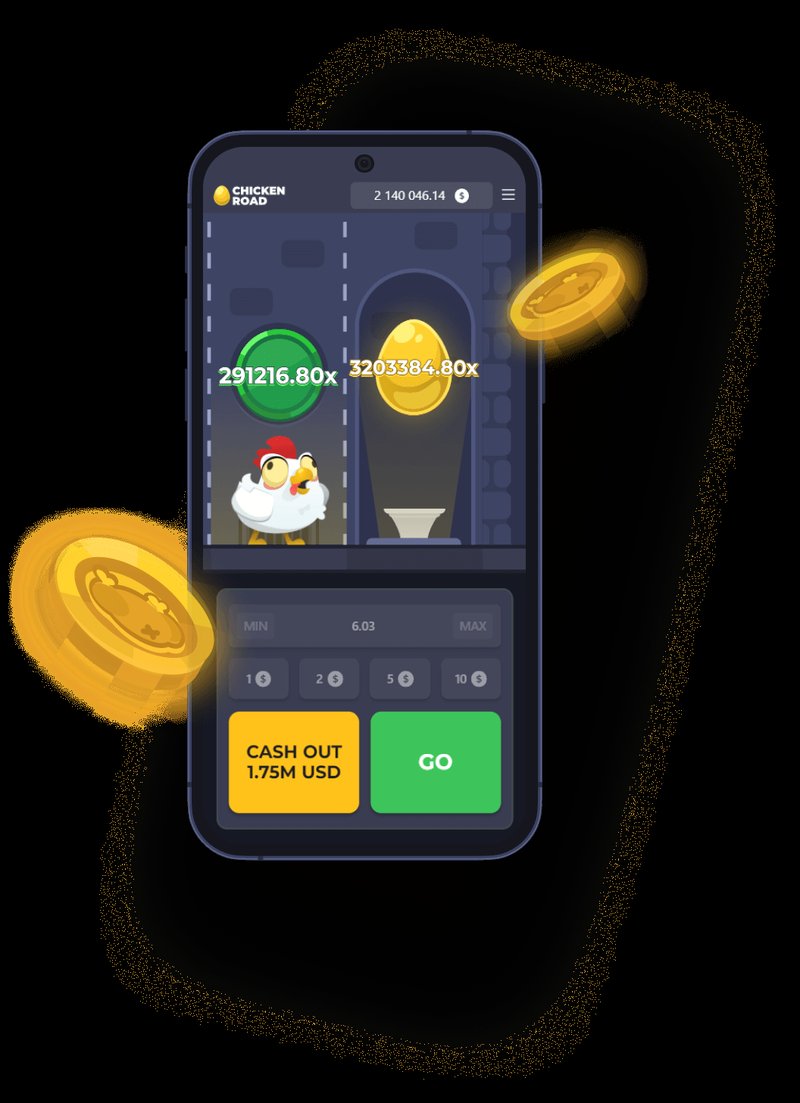
La Ruta de Pollo es un juego de casino que ha ganado popularidad en España en los últimos años. Se trata de un juego de ruleta que ofrece una experiencia de juego única, con gráficos atractivos y un sistema de apuestas flexible. Sin embargo, la Ruta de Pollo puede ser adictiva, y muchos jugadores han perdido el control de sus apuestas.

[Chicken Road España](https://valenciasafety.com) ofrece soluciones para jugadores responsables

Para los jugadores que buscan mantener una relación saludable con los juegos de casino, es fundamental buscar recursos y herramientas que les ayuden a controlar sus apuestas. Chicken Road España ofrece soluciones para jugadores responsables, incluyendo consejos y recursos para superar la adicción a la Ruta de Pollo.

El Lado Oscuro de la Ruta de Pollo: Problemas de Responsabilidad y Control

La Ruta de Pollo puede ser adictiva debido a su diseño y a la emoción que genera. Los jugadores pueden sentirse atraídos por la posibilidad de ganar dinero rápido y fácil, lo que puede llevar a una pérdida de control sobre sus apuestas. A continuación, se presentan algunos problemas de responsabilidad y control que deben ser tenidos en cuenta:

Problema Descripción
Pérdida de control Los jugadores pueden perder el control sobre sus apuestas y gastar más de lo que pueden permitirse.
Adicción La Ruta de Pollo puede ser adictiva, lo que puede llevar a una pérdida de control sobre la vida personal y profesional.
Problemas financieros La Ruta de Pollo puede generar problemas financieros, especialmente si los jugadores no pueden pagar sus deudas.

La Verdad Sobre las Estrategias de Ganancia de la Ruta de Pollo

Muchos jugadores creen que hay estrategias de juego que pueden garantizar la victoria en la Ruta de Pollo. Sin embargo, la realidad es que no existe una estrategia segura para ganar en este juego. A continuación, se presentan algunas estrategias de juego que deben ser tenidas en cuenta:

Estrategia Descripción
Juego de probabilidades Algunos jugadores creen que pueden ganar en la Ruta de Pollo utilizando estrategias de juego basadas en probabilidades.
Juego de mentalidad Otros jugadores creen que pueden ganar en la Ruta de Pollo utilizando estrategias de juego basadas en la mentalidad.
Descubre el Mito de la Ruta de Pollo en Juegos de Casino España - overview

Protegiendo a Tus Datos: La Importancia de la Confidencialidad en la Ruta de Pollo

Los jugadores deben ser cuidadosos con sus datos personales al jugar en la Ruta de Pollo. La confidencialidad es fundamental para proteger tus datos y mantener una relación saludable con los juegos de casino. A continuación, se presentan algunas recomendaciones para proteger tus datos:

Recomendación Descripción
Utilizar contraseñas seguras Los jugadores deben utilizar contraseñas seguras y únicas para cada cuenta de juego.
Utilizar autenticación de dos factores La autenticación de dos factores puede ayudar a proteger tus datos y evitar que otros accedan a tu cuenta de juego.

Conclusión: Separar la Realidad de la Ficción en la Ruta de Pollo

En resumen, la Ruta de Pollo es un tema complejo que requiere una aproximación crítica. Los jugadores españoles deben ser conscientes de los problemas de responsabilidad y control que pueden surgir al jugar en esta popular juego de casino. Al finalizar este artículo, los jugadores españoles estarán mejor equipados para navegar por el mundo de la Ruta de Pollo con sabiduría y responsabilidad.

Leave a Comment

Your email address will not be published. Required fields are marked *